"The location was easy to get to, with easy instructions to follow. The guides were lovely, (I have forgotten his name) but our main guide was well spoken, gave great information and kept things light and fun! The stars were absolutely gorgeous with a clear sky, we had a storm in the afternoon and shows just how quickly the weather can change. will definitely do this tour again"
When to Go · Tekapo
Best Time to Stargaze Tekapo
Winter nights, new moons and the hour to book.
From
$74
per person
Free cancellation
- 4.9 / 5 751+ Reviews
- 90 minutes Duration
- 6:50 pm Full Dark in June
- Jun–Jul Milky Way Core at Best
- Free Cancellation
Book Your Experience
Check Availability & Prices
Select your preferred date and time. Instant confirmation — free cancellation up to 24 hours before departure.
The Experience
Why Chameleon Stargazing Suits Any Season
A 90-minute tour from $74 per person, with late departures that include slots after midnight.
Highlights
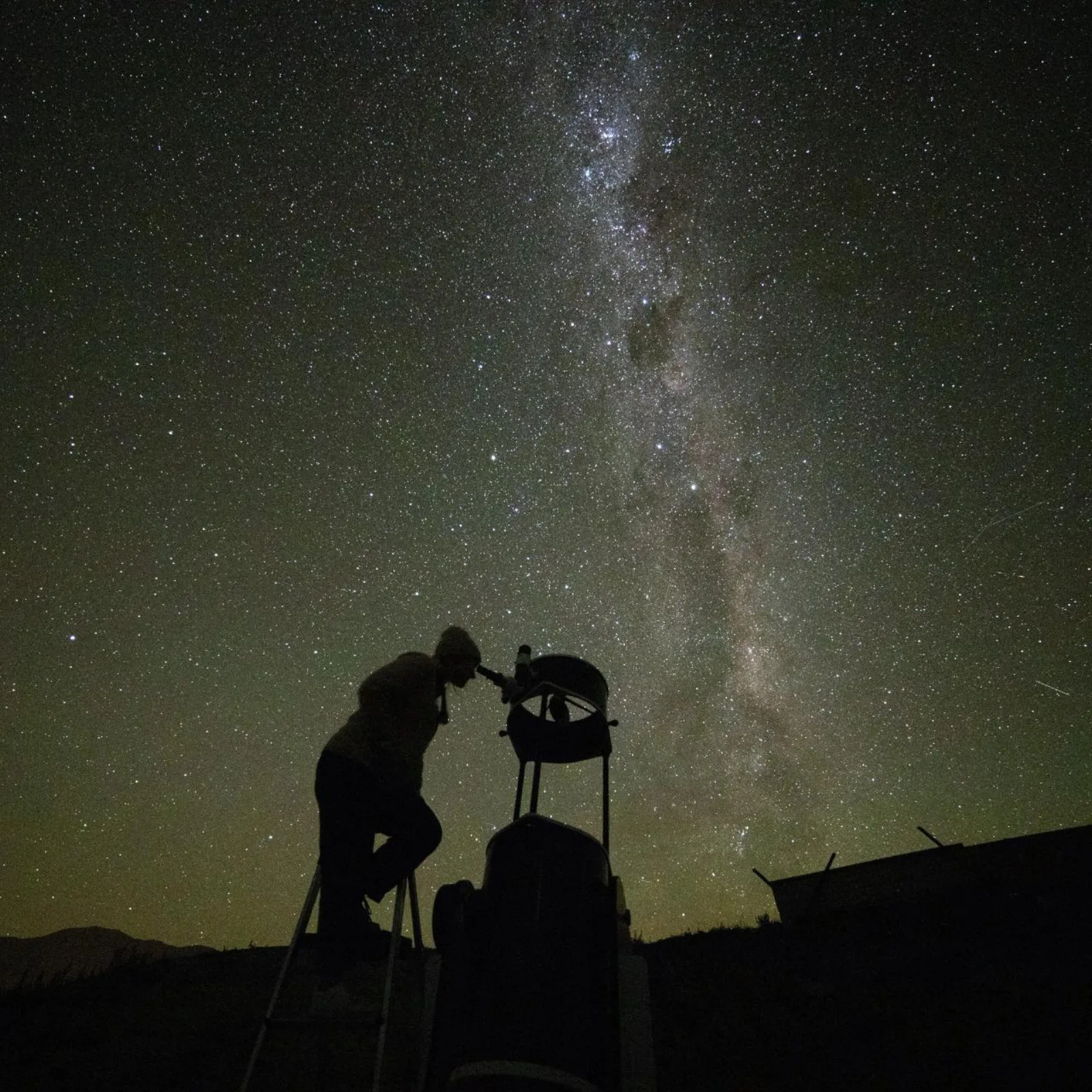
- A naked-eye sky tour first, so you learn to find the Southern Cross and the Magellanic Clouds yourself
- Views through a 9.25-inch telescope plus a smart telescope that locates faint targets for you
- Outdoor seats, pillows, mattresses and blankets, so you watch the sky lying down rather than standing
- Hot chocolate and marshmallows toasted over a fire bowl while the guide talks
- Edited photos of your group under the stars, taken for you during the tour
- A dark site four minutes from the village, beside the Tekapo River
What's Included
- Guided 90-minute stargazing tour with an astronomy guide
- Use of a 9.25-inch telescope and a smart telescope
- Edited photos of your group under the night sky
- Outdoor seats, pillows, mattresses and blankets
- Hot chocolate (lactose-free and gluten-free options on request)
- Fire bowl and marshmallows
Timing Your Chameleon Stargazing Night
How to pick the date and the slot, then what happens on the night.
Pick a dark-moon night
Aim for the week around a new moon. A full moon washes out much of the fainter starlight, so the Milky Way is at its clearest on moonless nights.
Choose a slot after full dark
Full dark comes around 7 pm in winter and after 11:30 pm in midsummer. Late slots after midnight belong to the next calendar date when you book.
Book with a cloud safety net
Free cancellation up to 24 hours before on GetYourGuide, and a full refund if Chameleon cancels for cloud, rain, snow or fog.
Dress for the coldest hour
Blankets are provided, jackets are not. Bring warm layers, a hat and gloves in every season, plus a red-light torch if you have one.
Photo Gallery
The Tekapo Sky Through the Year
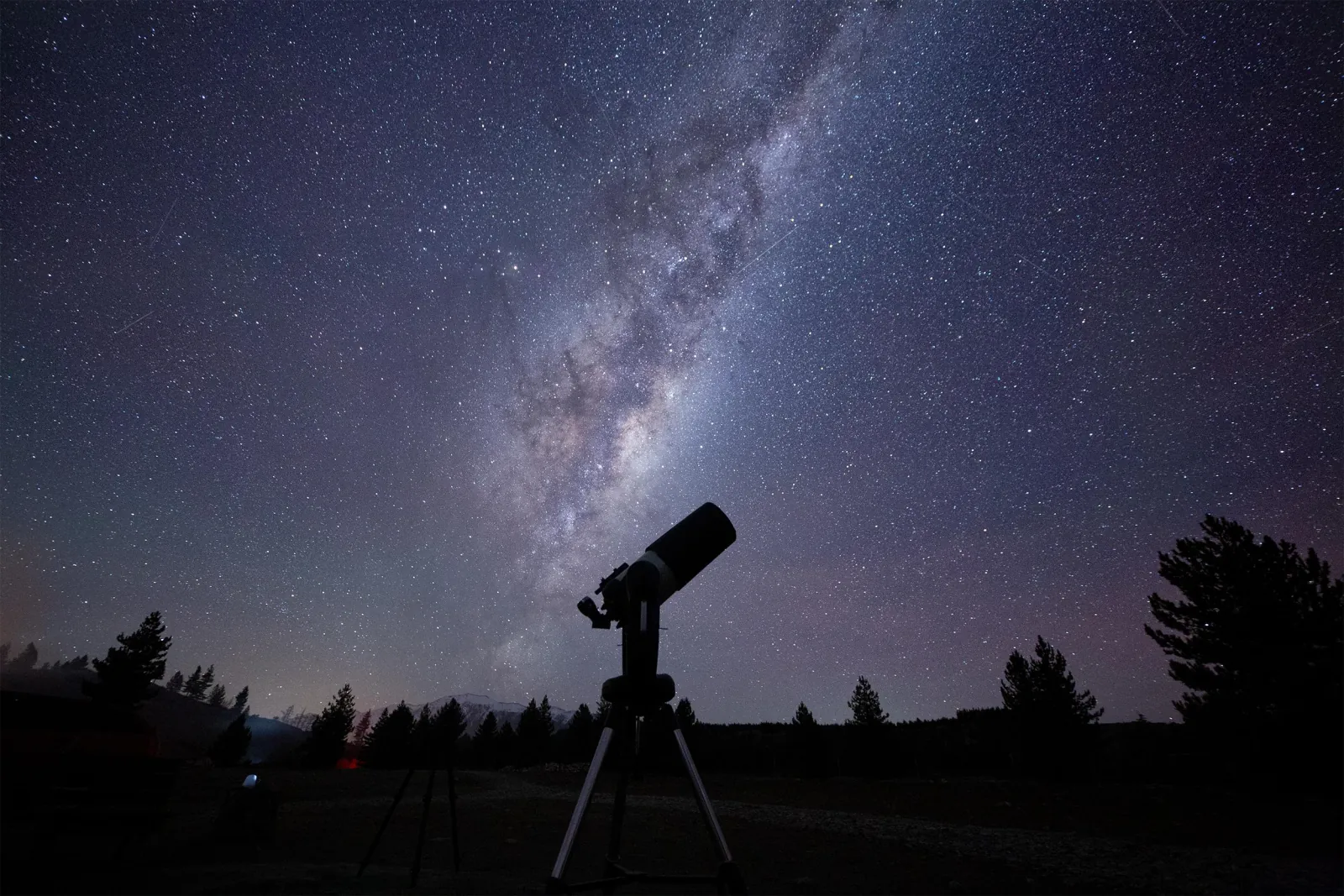
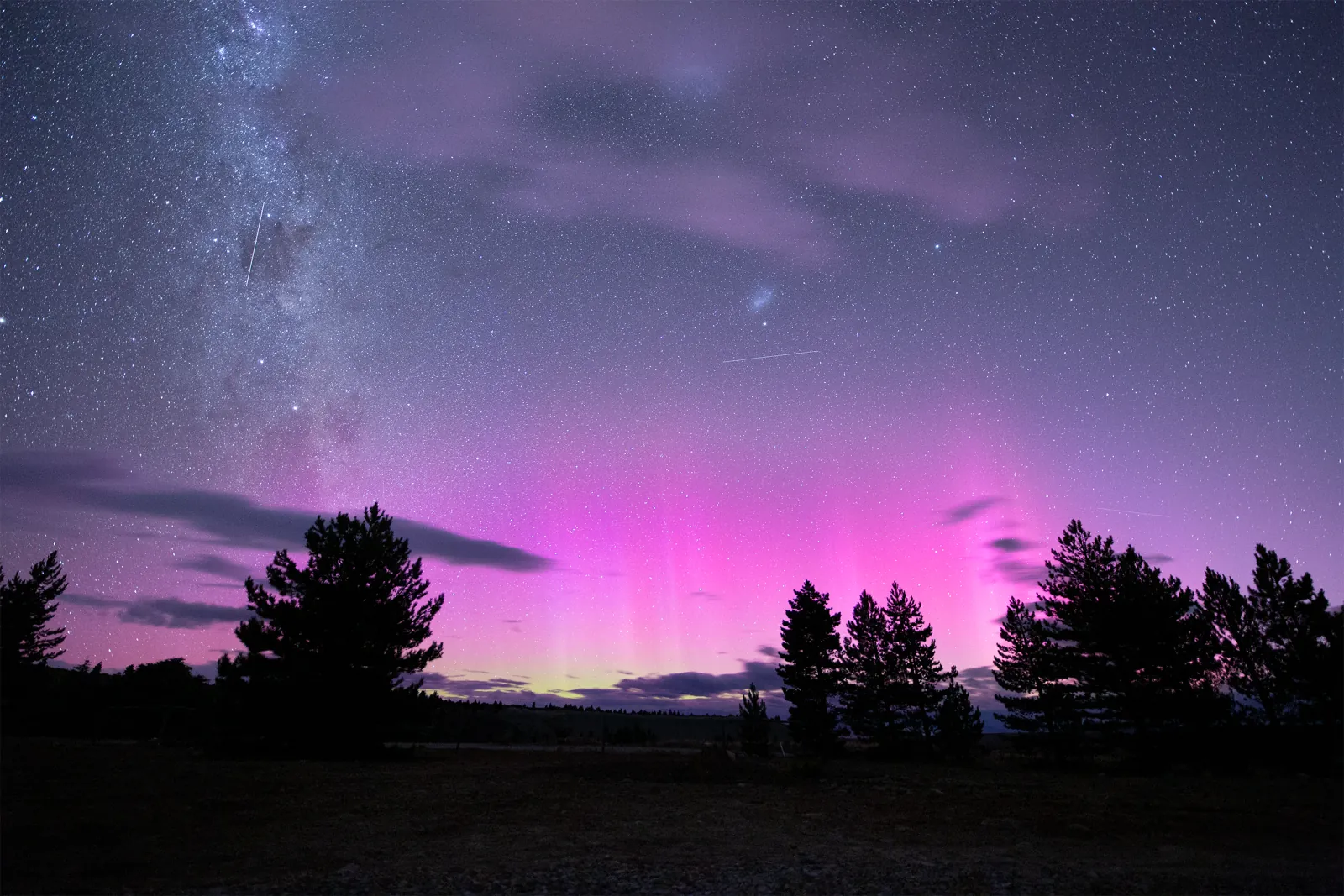
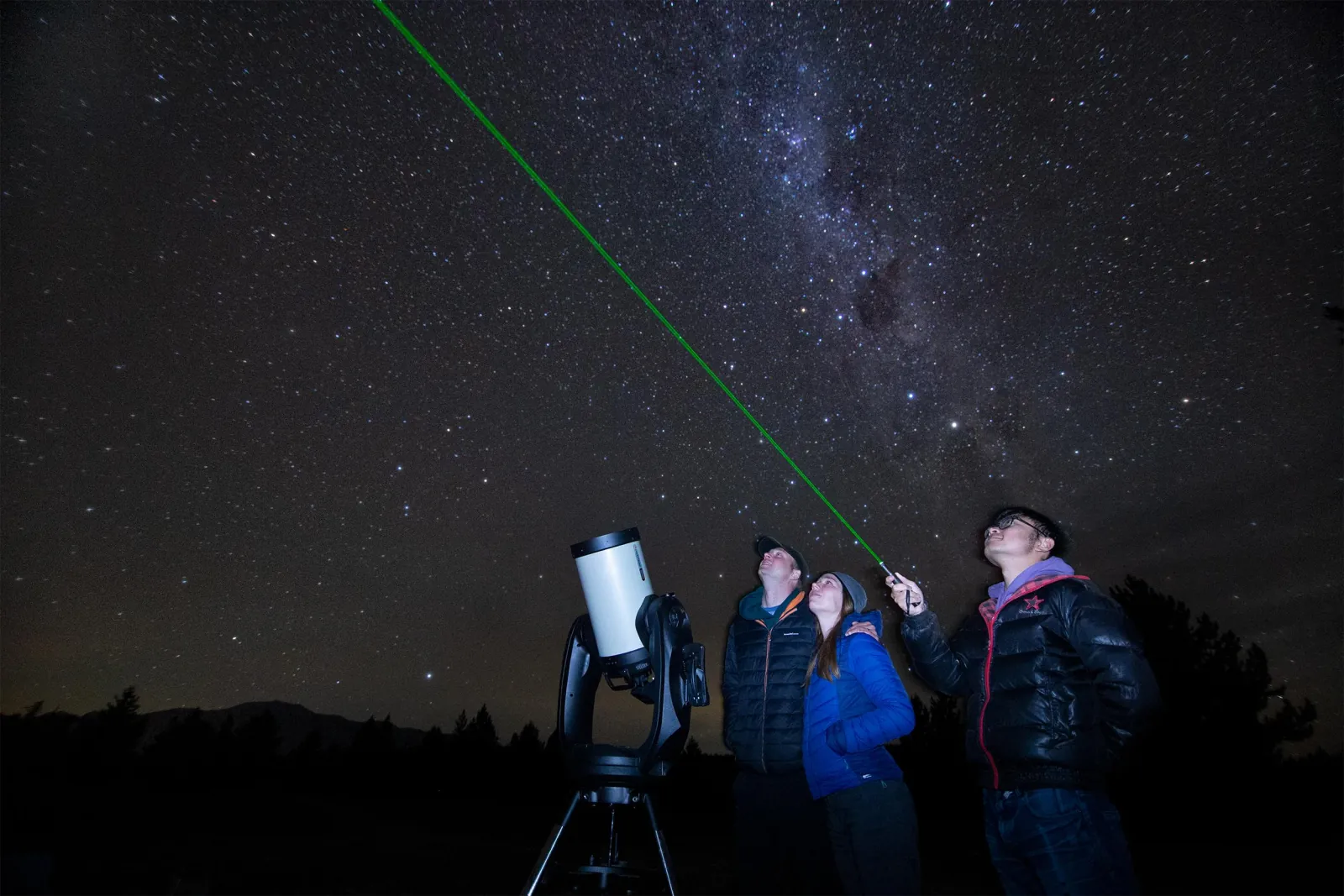
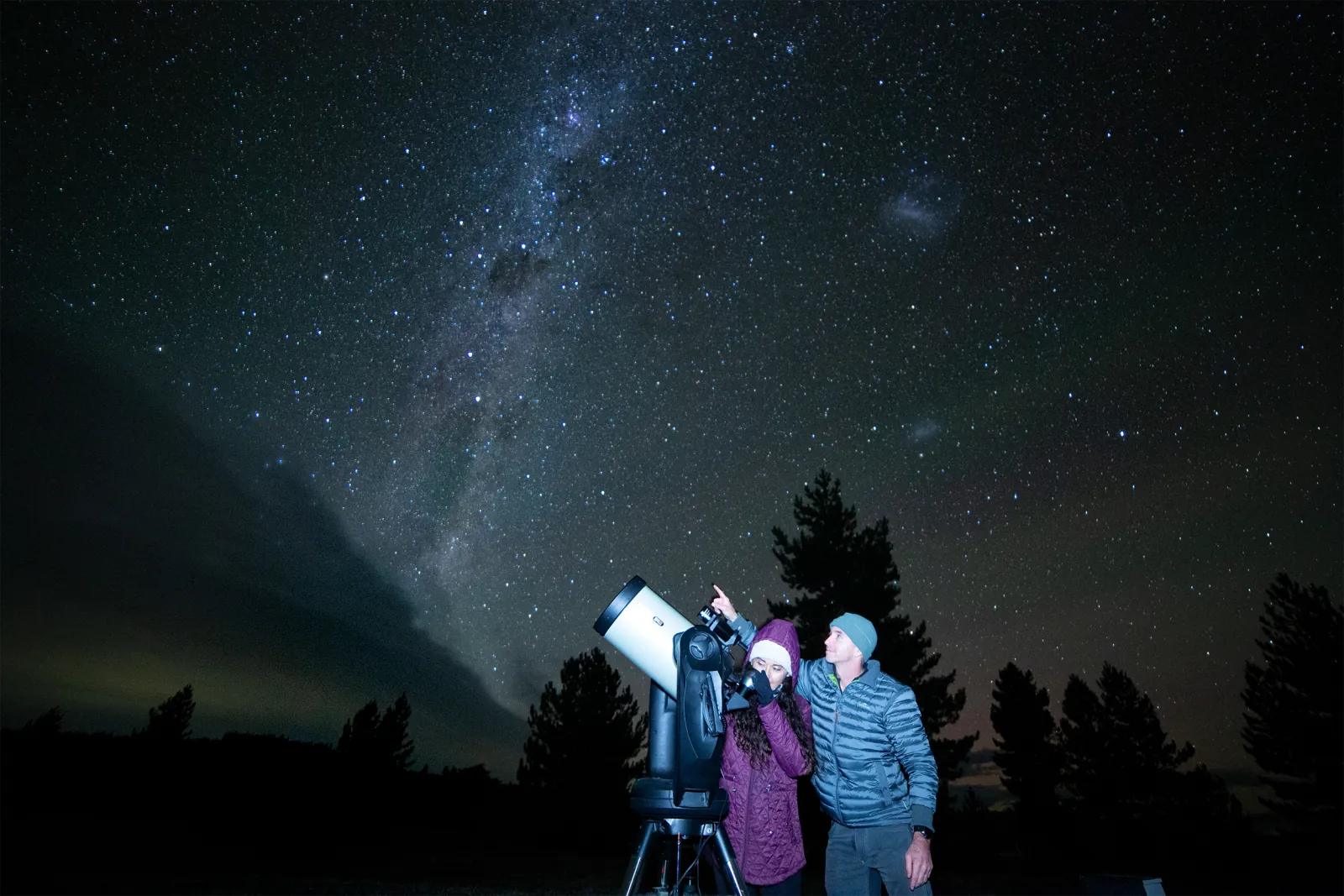
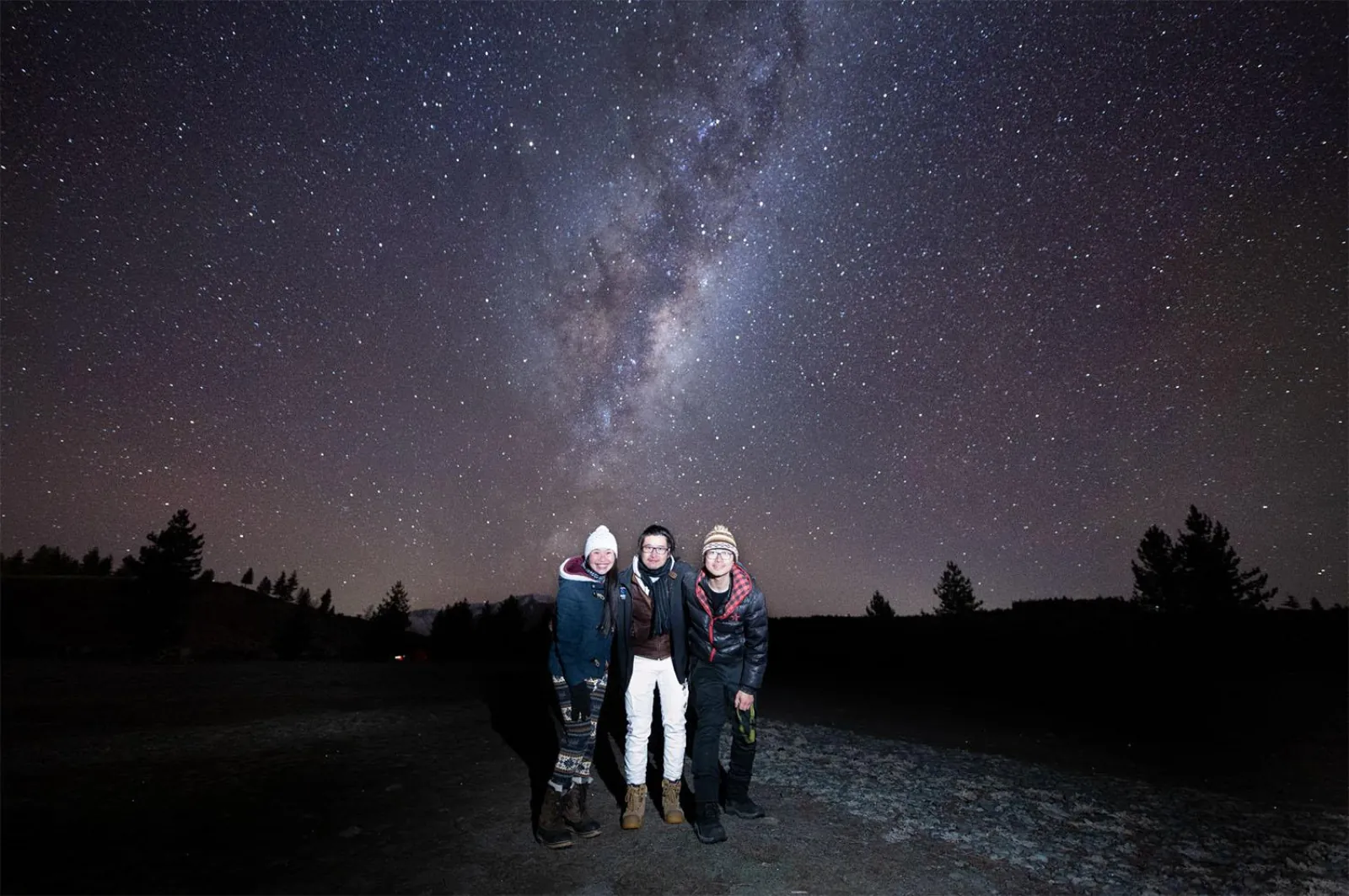
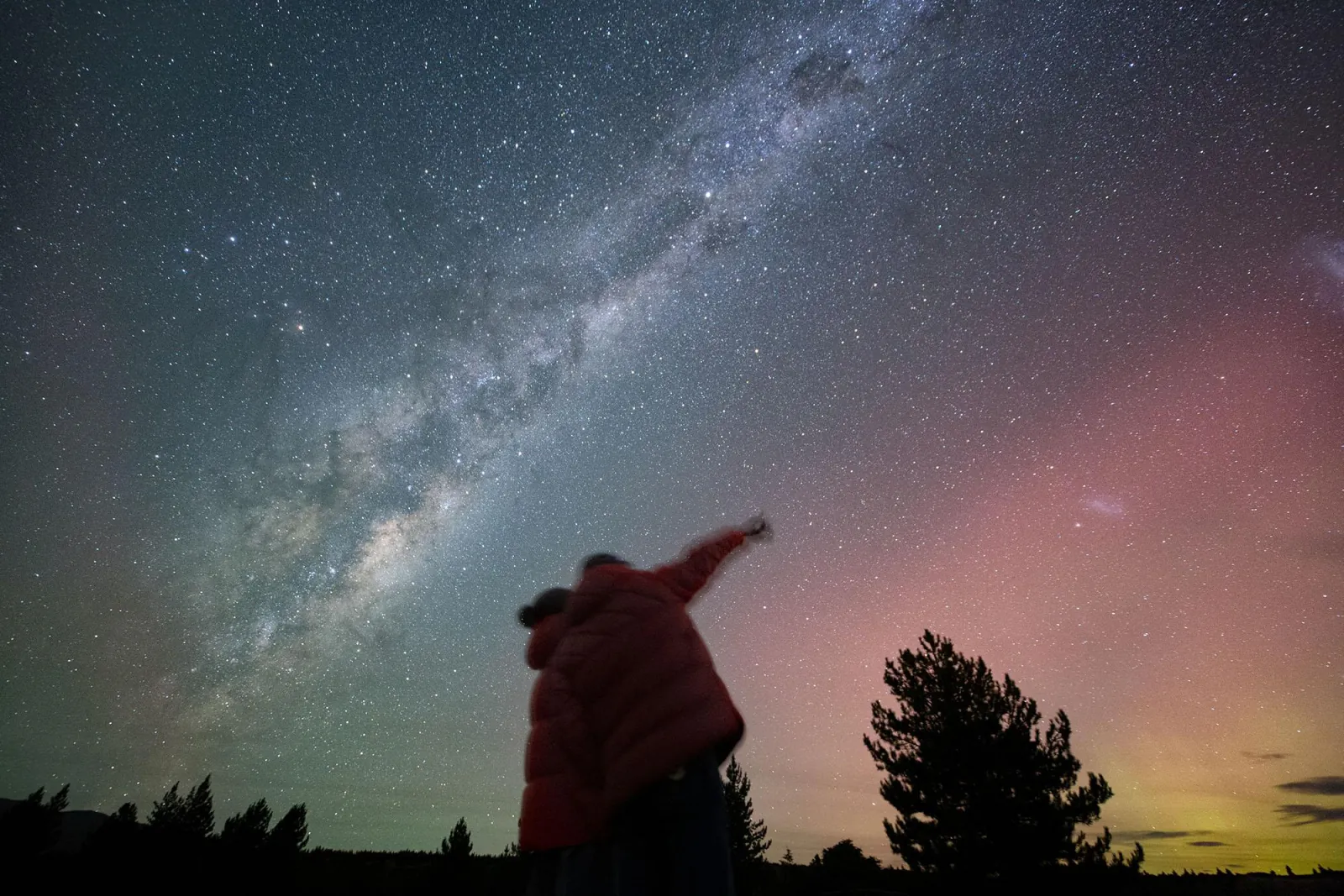
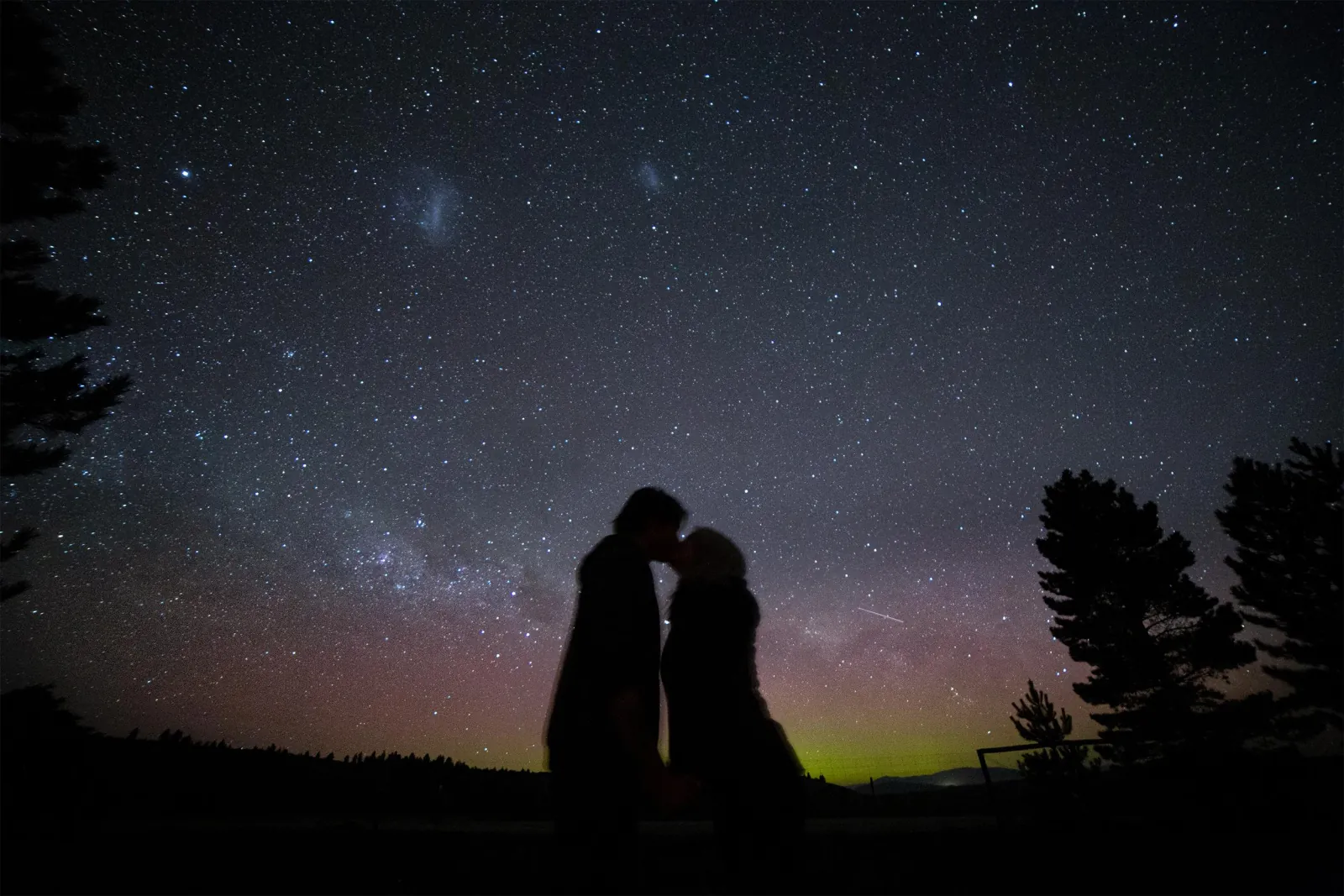
Milky Way, lake and church under the Aoraki Mackenzie Dark Sky Reserve.
Which Tour Suits Your Season?
Three Tekapo stargazing tours compared on the things that change through the year.
| Feature | RUNS LATE Chameleon Stargazing | Mount John Summit | Soak in the Stars |
|---|---|---|---|
| Price from (USD per person) | $74 | $125 | $108 |
| Duration | 90 minutes | 1 hour 45 minutes | 90 minutes |
| Schedule | Late slots, including after midnight | 7 days, start times vary with sunset | 7 evenings Oct–Apr, 5 evenings May–Sep |
| Cold-night comfort | Blankets, mattresses, hot chocolate | Extreme cold weather jacket | Hot pool, robes, hot drink |
| Exposure to wind | Riverside site near the village | Exposed 1,029 m summit | Pools at the foot of Mount John |
| If cloud rolls in | Full refund if the operator cancels | Indoor alternative or full refund | Indoor VR; 25% refund if under 30 min at telescopes |
| Minimum age | 5 | 10 | 10 |
| Check Availability | See Mount John | See Soak in the Stars |
Compare Tours
Lake Tekapo Stargazing Tours Compared
Six ways to see the Tekapo sky — from a $68 farm tour to the Mount John summit.
 GUEST FAVOURITE
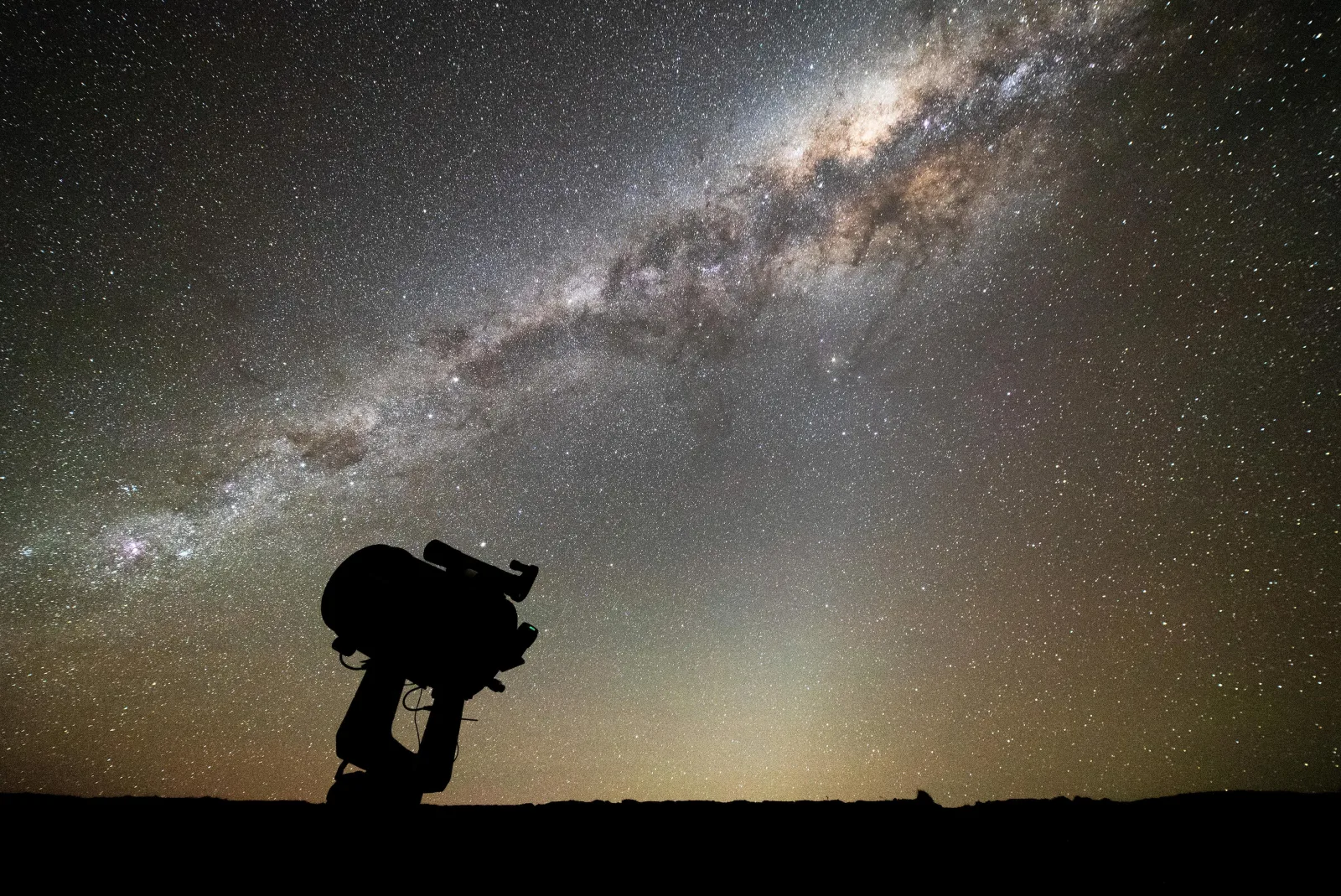
Lake Tekapo: Stargazing Experience
 MOST REVIEWED
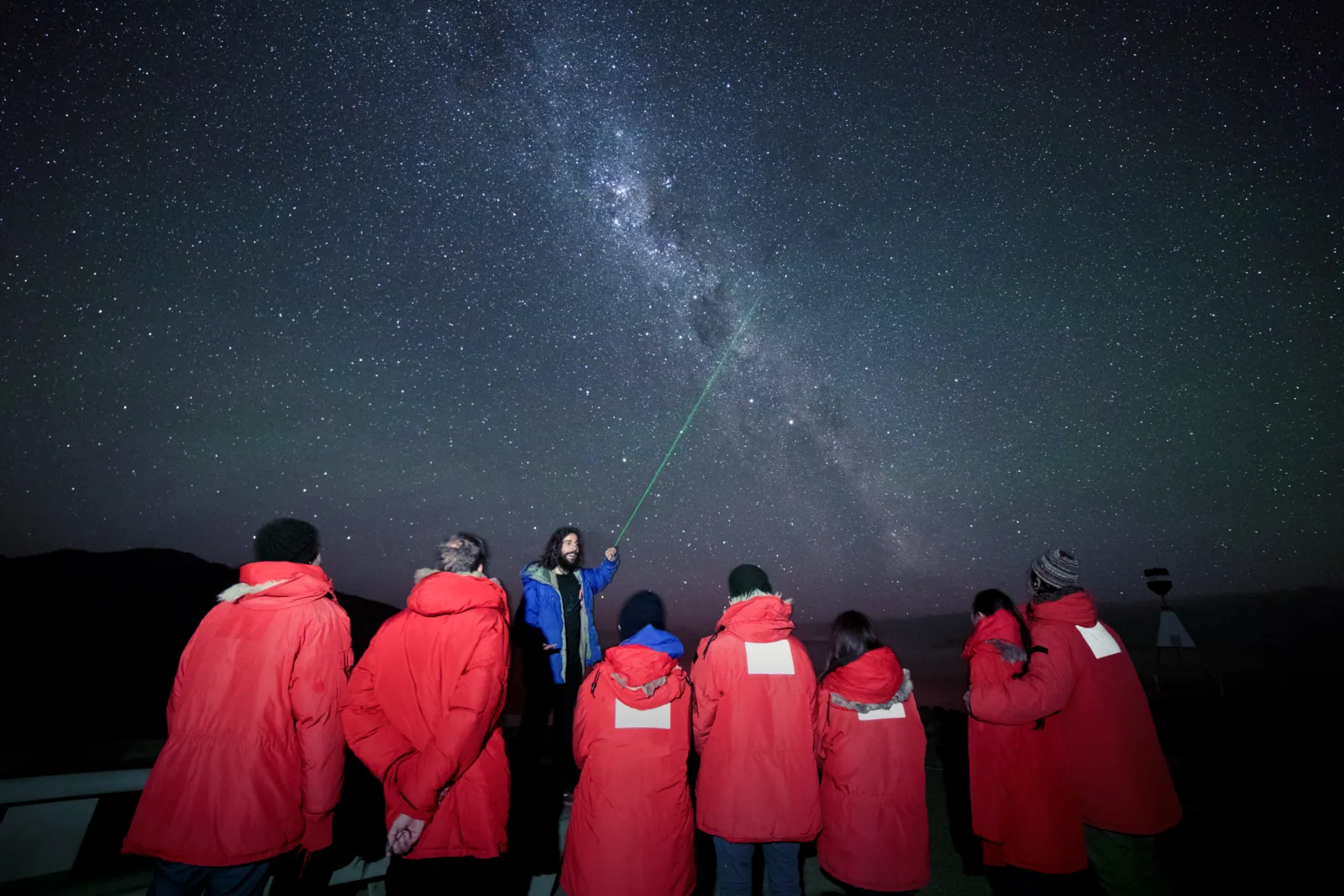
Lake Tekapo: Alpine Stargazing Experience with a Guide
 SUMMIT OBSERVATORY
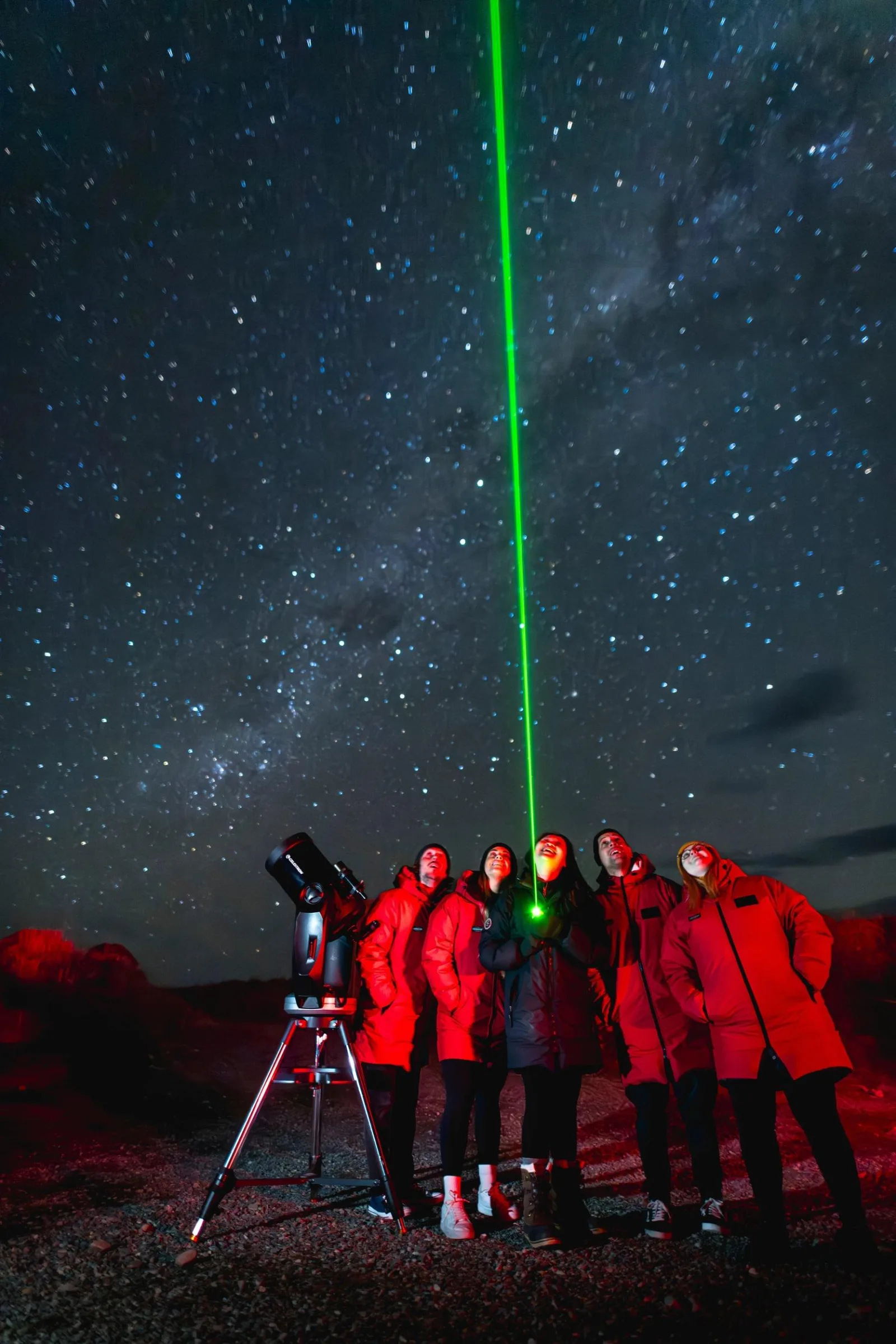
Lake Tekapo: Mount John Summit Stargazing Experience
 FAMILY FRIENDLY
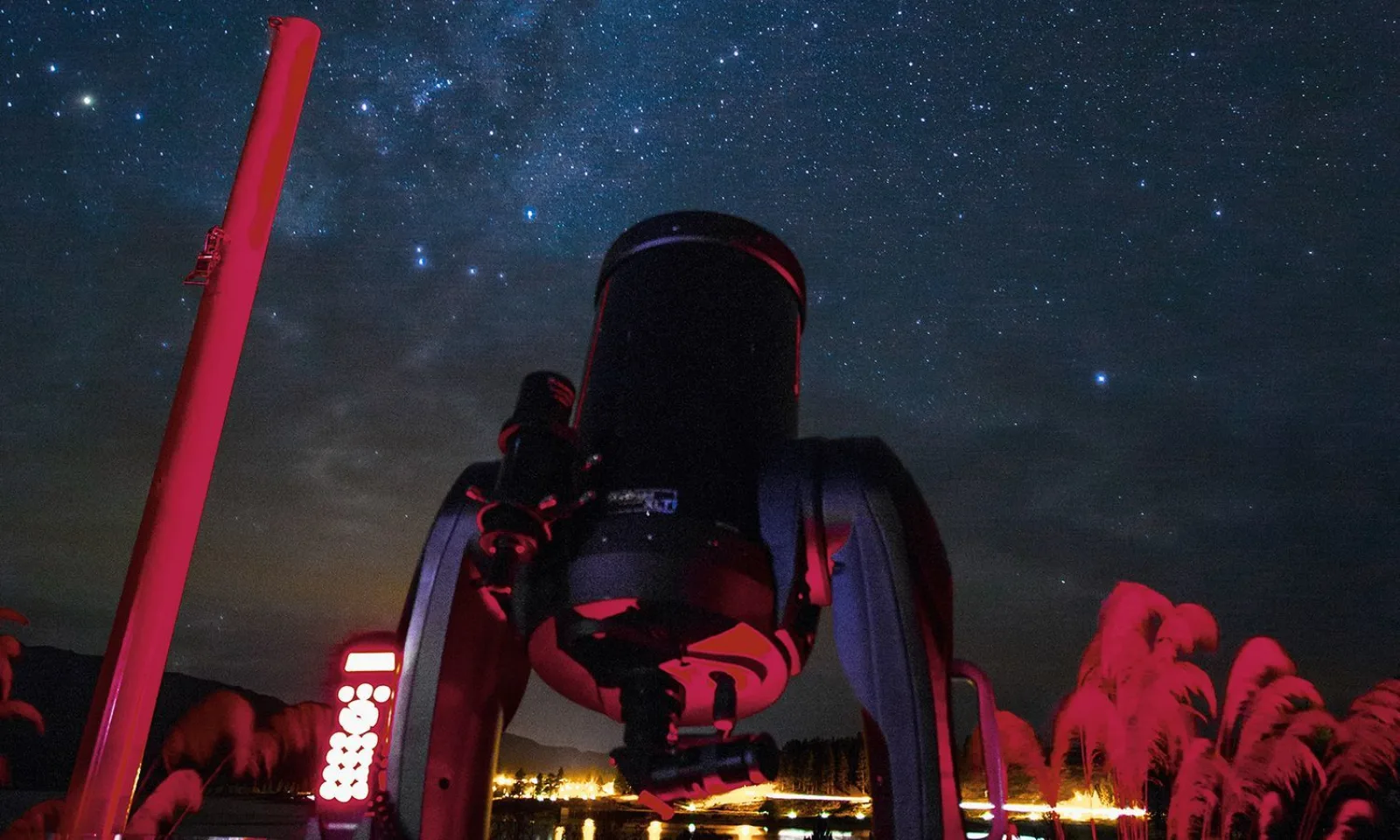
Lake Tekapo: Crater Stargazing at Cowan's Observatory
 HOT POOLS
Lake Tekapo: 90-minute Hot Pools & Stargazing Experience
 2-HOUR PREMIUM
Lake Tekapo: Ultimate Stargazing Experience
Seasons, Nights and Moons
When the Tekapo Sky Is at Its Best
Month by month: when it gets dark, how cold it is and what is overhead.
The best time for stargazing at Lake Tekapo is winter, June to August, on a night near the new moon, from about 7 pm onwards. Those are the longest nights of the year, full dark comes before the dinner hour, and the Milky Way’s bright core rides high. The cost is cold: mean overnight lows drop below freezing. If you are here in summer instead, the sky is just as dark once it gets there. You simply wait until after 11:30 pm for it, so book a late tour.
Tekapo stargazing month by month
Times are for the 15th of each month at Tekapo. Full dark is the end of astronomical twilight, when the last of the sunset glow has gone. Lows are long-term monthly averages for the Lake Tekapo climate station.
| Month | Sunset | Full dark | Mean overnight low | What’s up |
|---|---|---|---|---|
| January | 9:20 pm | 11:32 pm | 8.5 °C | Southern Cross, Magellanic Clouds; Milky Way core not yet up |
| February | 8:47 pm | 10:36 pm | 8.2 °C | Milky Way core back in view |
| March | 7:59 pm | 9:37 pm | 6.0 °C | Core in view; aurora season begins |
| April | 6:04 pm | 7:40 pm | 3.5 °C | Core in view; aurora possible; clocks go back |
| May | 5:22 pm | 7:02 pm | 1.4 °C | Core in view; aurora possible |
| June | 5:05 pm | 6:50 pm | −1.9 °C | Core at its best; aurora possible |
| July | 5:19 pm | 7:02 pm | −2.8 °C | Core at its best; Matariki; aurora possible |
| August | 5:51 pm | 7:29 pm | −1.2 °C | Core in view; aurora possible |
| September | 6:26 pm | 8:02 pm | 1.0 °C | Core in view; last month of aurora season; clocks go forward |
| October | 8:02 pm | 9:45 pm | 2.8 °C | Last month of the core season; windy spring nights |
| November | 8:43 pm | 10:46 pm | 4.5 °C | Southern Cross, Magellanic Clouds; core out of view |
| December | 9:16 pm | 11:41 pm | 6.8 °C | Latest dark of the year; core out of view |
The jumps in March to April and September to October are daylight saving. New Zealand clocks go forward on the last Sunday of September (27 September 2026) and back on the first Sunday of April (4 April 2027), which moves sunset and full dark by an hour overnight.
The best season: winter, if you can take the cold
From May to August full dark arrives between about 6:50 pm and 7:30 pm, so you can stargaze after an early dinner and still be in bed at a normal hour. The Milky Way core is visible roughly February to October and at its best in June and July, when it sits high overhead. Tekapo’s winter frosts arrive with anticyclones, and so do the clear skies that go with them, and Tekapo is often among the five sunniest places in New Zealand. The trade-off is temperature. Mean overnight lows in June and July are around −2 to −3 °C, and frosts are routine, so dress for well below freezing and take care on icy roads.
Autumn (March to May) is the comfortable middle ground: dark by 7:40 pm in April, lows still above freezing, the core in view and the aurora season underway. Spring is the windiest season at Tekapo, which matters most on an exposed hilltop such as Mount John.
Summer nights are short. In December and January full dark does not come until after 11:30 pm, and the core is out of view. Tours still run, and the Southern Cross and both Magellanic Clouds are up on every clear night of the year, but you are stargazing close to midnight.
The best time of night
Stargaze after full dark, not at sunset. The hour or two after sunset is twilight, when faint objects are still lost in the glow. Once full dark falls, the sky is as dark as it gets until dawn. In late June the Milky Way core works out to be highest around midnight, so a later slot gives you the best view of it.
Chameleon Stargazing runs late departures, including slots after midnight, which helps in summer when full dark comes so late. Note that a tour after midnight is booked on the next calendar date.
Moon phase matters as much as the month
The Moon is the biggest variable you can plan around. Dark Sky Project notes that during a full moon a lot of starlight gets washed out, and Tekapo Star Gazing recommends a new moon night. Aim for the week either side of the new moon for the Milky Way, faint nebulae and the Magellanic Clouds.
Matariki, aurora and what you see all year
The Matariki public holiday marks the pre-dawn winter rising of the Matariki star cluster (the Pleiades), and it falls on Friday 10 July 2026 and Friday 25 June 2027. The Aurora Australis is possible from roughly March to September, but Dark Sky Project calls it a very rare phenomenon, often only predictable a day or two ahead, so treat it as a bonus.
Our verdict
Best overall: June or July, in the week of the new moon, on a tour that starts soon after 7 pm. Book the Mount John Summit Experience if you want the observatory setting and an extreme cold weather jacket for the cold; our Mount John guide has the detail.
Best for comfort: April or May. Dark comes by about 7:40 pm, mean lows stay above freezing, and the core is in view. Soak in the Stars at Tekapo Springs ends in a hot pool, which suits cooler nights; it runs seven evenings a week from October to April and five from May to September.
Best if you’re here in summer: book a late slot and a tour with a weather refund. Chameleon runs late and refunds in full if it cancels for cloud; see our Chameleon review. Travelling with children? Our stargazing with kids guide explains why winter’s early dark helps.
Whatever the month, cloud decides the night. Read our cloudy weather guide, book with free cancellation up to 24 hours before, and check availability once the forecast firms up.
Guest Reviews
What Chameleon Stargazing Guests Say
4.9/5
from 751 verified guests
Ratings and review counts are the tour operators' live figures on GetYourGuide and may shift slightly day to day.
"We’ve done a few activities in Tekapo and if we had to keep only one, this would be it by far. It was so pleasant listening to such a passionate person talk about stars, constellations, myths, and astronomy. Timing for hot chocolate and marshmallows was perfect, everything was so smooth. We were also a small group which made the whole experience feel intimate and lovely. Worth every cent, if you’re still hesitating that’s your sign, go for it mate"
"Exceeded expectations! Guthrie and Carl did an amazing job. Both so knowledgeable and had a genuine passion for the night sky. An unforgettable experience and would absolutely be recommending this to anyone visiting lake Tekapo. The photos were brilliant and the hot chocolate and marshmallows were a great touch!"
"I love it! Everything I was hoping and more with all the knowledge"
"My partner and I really enjoyed this experience. The ladies were very knowledgeable and showed a passion for their work. We learnt so much and had a fantastic time. The hot chocolate, marshmallows and fire really added to the experience. It’s super cold, recommend layering up! Sometimes it did feel like there was a little too many people."
"Great experience. It was a cloudless night and we could see everything!!!"
"Perfect night sky, saw nebulas and constellations through the telescopes, learned to way-find the southern hemisphere and spot the zodiacs. Scorpio was my favourite! The guides were excellent also."
"Our stargazing tour was absolutely amazing! From start to finish, the experience was unforgettable. The guide was incredibly knowledgeable, friendly, and made the night both fun and informative. Seeing the stars and planets so clearly was breathtaking, and learning about the constellations made it even more special. It was peaceful, well organised, and something we'll remember for a long time. If you're thinking about doing a stargazing tour, don't hesitate—you won't be disappointed. Highly recommended!"

Read all 751 verified reviews
See All ReviewsBook Your Night Under the Tekapo Sky
Pick a moonless night, book a slot after full dark and keep free cancellation until 24 hours before. From $74 per person. Starting from $74 per person.
Check Availability & BookCan't Make These Dates?
Browse More Available Options
Find a tour that fits your schedule — all with instant confirmation and free cancellation.
Best Time for Stargazing in Lake Tekapo: FAQ
Months, hours, moon phases and what to expect on the night.
Winter, June to August. The nights are longest, full dark comes around 6:50 to 7:30 pm, and the Milky Way core is at its best in June and July. Winter anticyclones bring clear skies along with the frosts, so plan for mean overnight lows of about −2 to −3 °C in June and July and dress for well below freezing.
Any time after full dark, which is the end of astronomical twilight: about 6:50 pm in mid-June and after 11:30 pm in December and January. The sky then stays dark until dawn. In late June the Milky Way core works out to be highest around midnight, so a later slot suits Milky Way viewing.
It depends on the month. On the 15th, full dark falls at 6:50 pm in June, 7:29 pm in August, 8:02 pm in September, 9:45 pm in October and 11:41 pm in December. Sunset comes about one and a half to two and a half hours earlier. Daylight saving moves both by an hour in late September and early April.
The sky is just as dark once night falls, but night falls late. Full dark comes after 11:30 pm in December and January, and the Milky Way core is out of view. The Southern Cross and both Magellanic Clouds are visible on every clear night. Book a late tour such as Chameleon Stargazing, which runs slots after midnight.
You can, but the view changes. Dark Sky Project notes that during a full moon a lot of starlight gets washed out, and Tekapo Star Gazing recommends choosing a new moon night. For the Milky Way and faint objects, book the week either side of the new moon, and keep free cancellation in case cloud arrives.
The Milky Way's bright galactic core is visible roughly from February to October and is at its best in June and July, when it passes high overhead. From November to January the core is out of view, but the Southern Cross and the Magellanic Clouds are visible on every clear night of the year.
Sometimes. The season runs roughly from March to September, but Dark Sky Project describes the aurora as a very rare phenomenon that is often only predictable a day or two in advance. Watch aurora forecasts for Kp5 and above, and treat a sighting as a bonus to a stargazing night.
Mean overnight lows run from about 8.5 °C in January to −2.8 °C in July, with frosts on 20 or more days a month from June to August. Wear warm layers, a hat and gloves in every season. Mount John and Silver River lend jackets; Chameleon provides blankets. See our stargazing with kids guide for dressing children.
The Matariki public holiday falls on Friday 10 July 2026 and Friday 25 June 2027. It marks the pre-dawn winter rising of the Matariki star cluster, the Pleiades. For Māori astronomy in daytime, the indoor Dark Sky Experience at Dark Sky Project's lakefront base covers it with storytelling and science.
Spring (September to November) is the windiest season at Tekapo, which matters most on the exposed Mount John summit. September still has full dark around 8 pm and the Milky Way core in view. Daylight saving begins on the last Sunday of September, and by mid-October full dark comes at about 9:45 pm.
Each operator handles it differently: full refunds, reschedules, indoor alternatives or a virtual-reality sky show. Every GetYourGuide tour on this site has free cancellation up to 24 hours before, so book, watch the forecast and cancel if it looks bad. See our cloudy weather guide.
Still have questions? Email us at info@laketekapostargazingtours.com
Keep Exploring
Explore More
Every Tekapo stargazing tour and planning page on this site, in one place.
Stargazing Guides
Individual Tours
- Chameleon Stargazing Lake Tekapo — 90-Min Telescope Tour
- Cowan's Observatory Stargazing Tekapo — Crater Experience
- Mount John Observatory Stargazing Tour — Summit Experience
- Silver River Stargazing Tekapo — Alpine Telescope Tour
- Silver River Ultimate Stargazing Tekapo — 2-Hour Tour
- Tekapo Springs Stargazing & Hot Pools — Soak in the Stars
- Tekapo Stargazing & Mount Cook 2-Day Tour from Christchurch
- Twizel Stargazing Tour with an Astronomer & Telescope